
Lemur Language

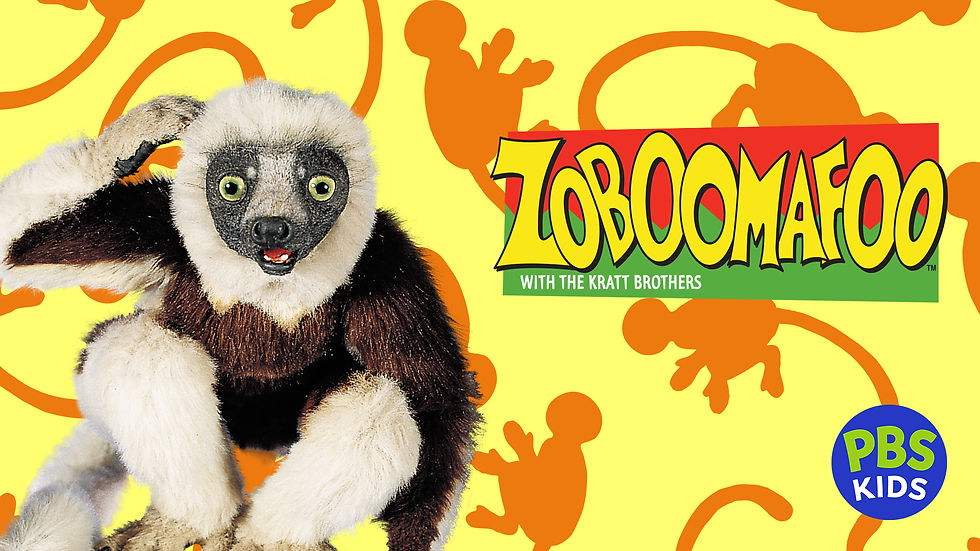
A couple decades ago, most people were unfamiliar with lemurs. Awareness of lemurs and the challenges they face has grown significantly over the years, helped along by nature documentaries, children’s shows and movies such as Madagascar and Zoboomafoo and an increased presence in zoos. I was once one of those children who first learned about lemurs from Zoboomafoo myself!
Yet despite all this increased exposure to them, we know surprisingly little about many lemur species.
Once such knowledge gap involves vocalization. Like most primates, lemurs have a wide array of calls. Some species are well studied when it comes to how they talk to each other. This has given a good base to work off of. A good handful of species are poorly documented and very little is known about their behaviour in general.
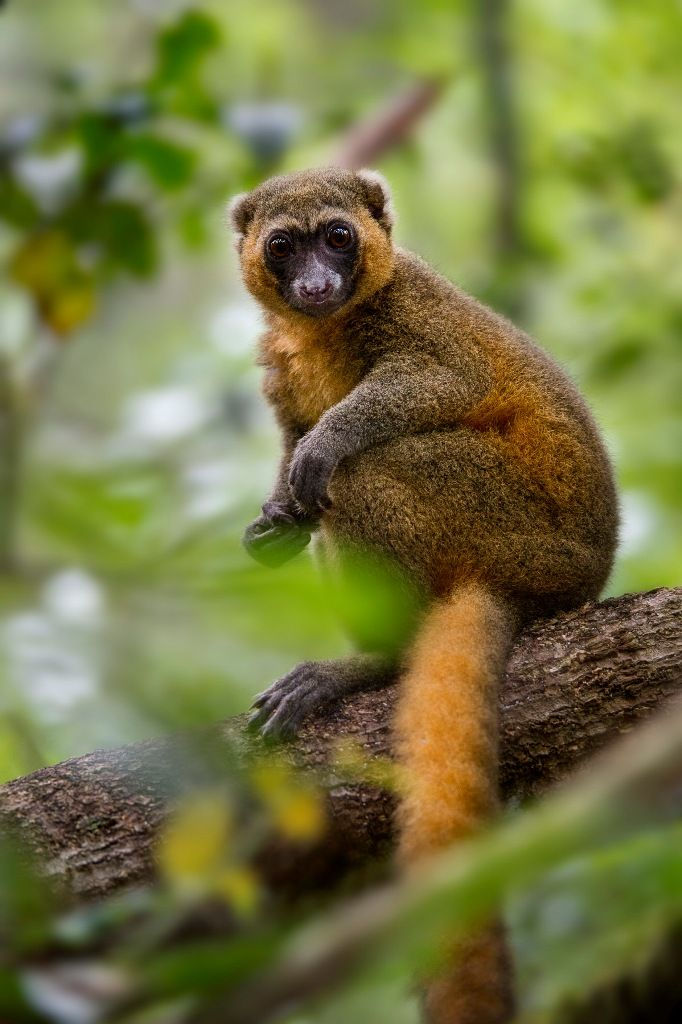
My focus is on those species which fall within the family Lemuridae - about 21 species within 5 genera. Of these 5 genera, 3 have had almost no research done on their calls, particularly the bamboo lemurs in Hapalemur and Prolemur. Those within the other genus, Eulemur, are a mix of both well studied and not studied enough, if at all.
I will be the first person to do a study like this on these species.
The ultimate goal is to classify calls from these less studied species and compare the call types and diversity across the family as a whole. Nobody else has ever done a study like this, so I’m breaking a lot of new ground. Thankfully, I have access to not only public sites such as Macaulay Library and Xeno-Canto, but also recordings from primatologists who have their own audio files. I am grateful to be able to have these, as well as the advice and encouragement they have provided!
Stay tuned, as I’ll go into further detail as the project develops!
Comments